What is a Naftalan bath?
A Naftalan bath means lying in warmed natural Naftalan oil for a few minutes. These baths are the foundation of all Naftalan treatment.
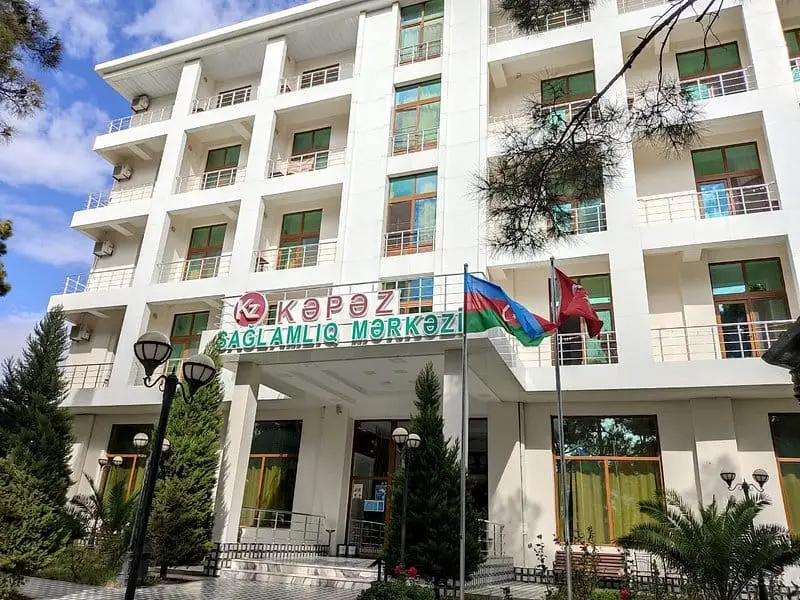
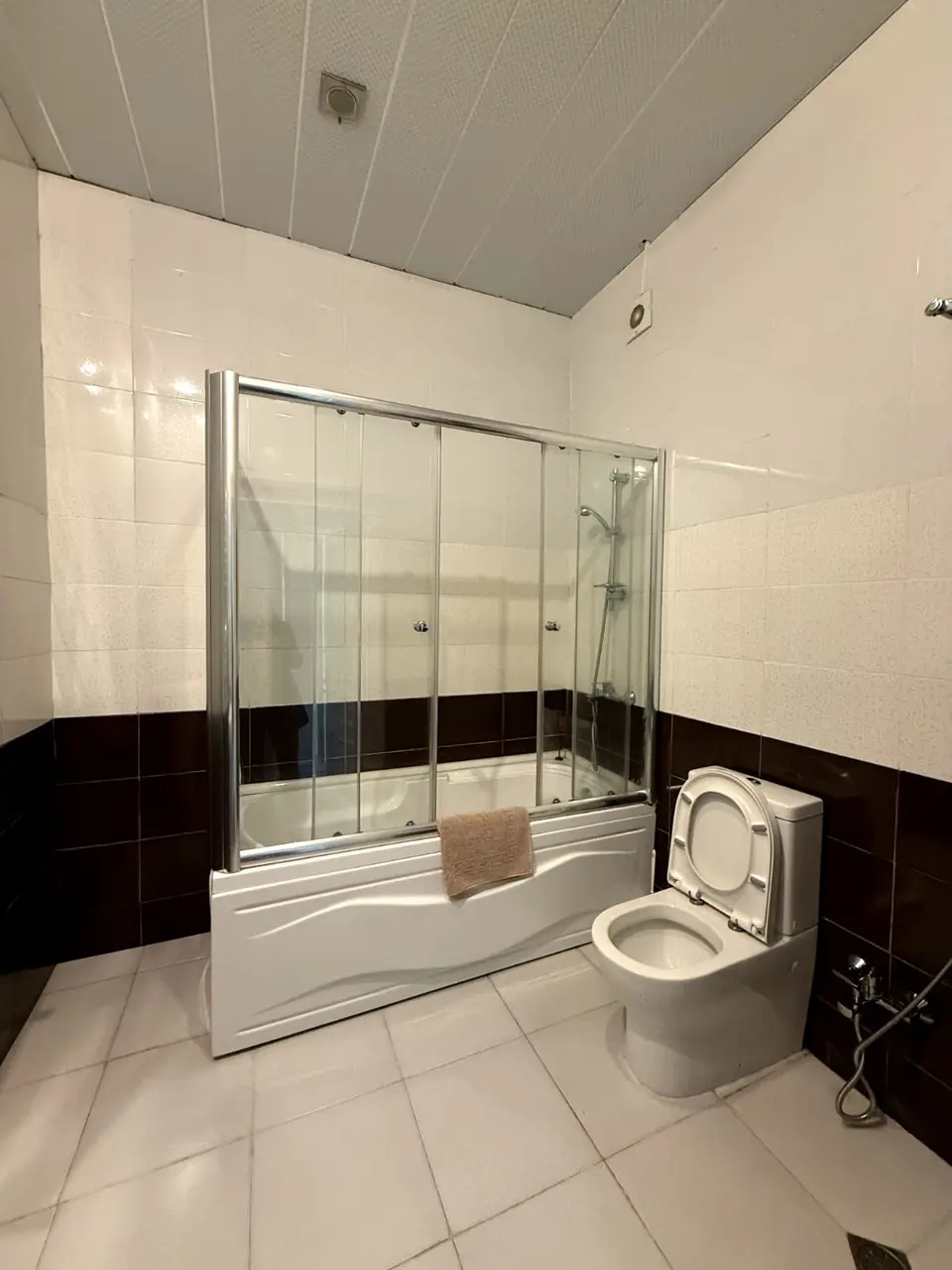
In a full bath your body is immersed in oil up to the chest, while your head and heart area stay uncovered. In a local bath only one area, such as the hands or feet, goes into the oil. Some sanatoriums, for example Kapaz Sanatorium, also have a four-chamber bath for the hands and feet.
How is a Naftalan bath taken?
The oil is warmed to about 37–38 °C and you stay in the bath for 8–10 minutes. Then the oil is removed with special scrapers, you take a warm shower and rest lying down for at least half an hour.
- A doctor examines you and prescribes the baths.
- You get into the bath under a nurse's supervision.
- You stay in the bath for 8–10 minutes.
- The oil is scraped off and you take a warm shower.
- You rest for 30–60 minutes.
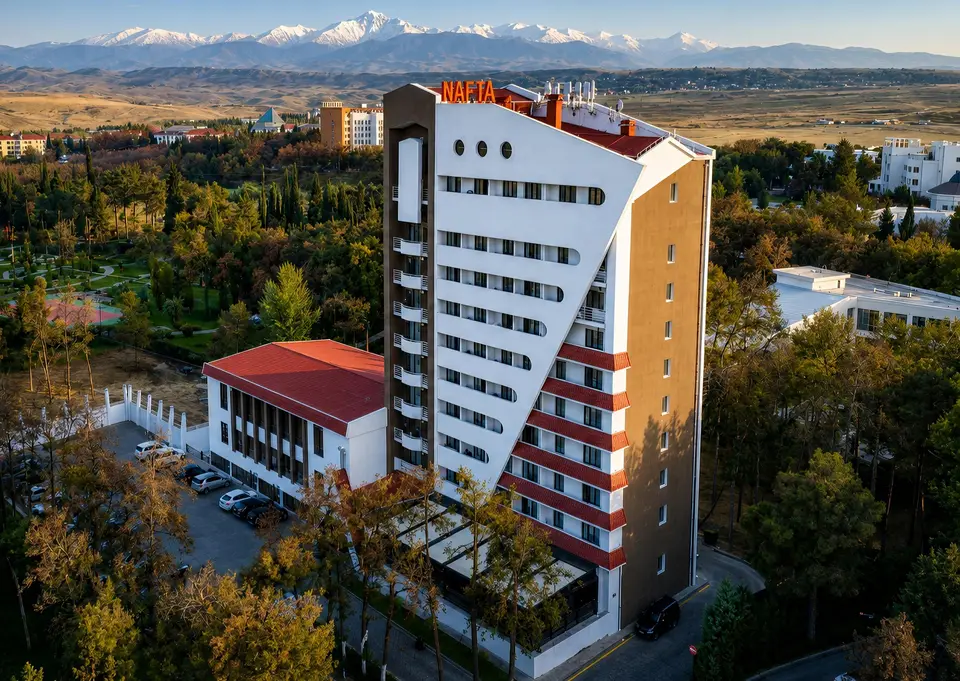
Every sanatorium has its own routine. For example, at Karvan Naftalan the bath lasts 10 minutes at around 37 °C, while Nafta Sanatorium has 10 separate rooms for baths.
What temperature is a Naftalan bath?
A Naftalan bath is usually 37–38 °C, close to body temperature. One session lasts 8–10 minutes.
The first naftalan bath may be kept a bit shorter to avoid extra strain on the heart. The doctor checks how you respond and then extends the time step by step.
How many Naftalan baths does a course include?
A 10–14 day course typically includes 8–12 baths. The exact number is set by your doctor.
Baths are taken every day or on alternate days. Read about the rest of the programme in the Naftalan treatment course section.
What should you do after the bath session?
After the naftalan bath, lie down and rest for 30–60 minutes, stay warm and drink enough water.
- Do not go to the pool or sauna immediately after the bath.
- Avoid strenuous physical activity.
- Any light residue on the skin washes off over the next few showers, so avoid light-coloured clothes.
Who should not take a Naftalan bath session?
Naftalan bath treatment is not given, or is strictly limited, in acute illness, tumours, blood disorders, active tuberculosis, severe heart failure and during pregnancy.
- acute inflammation and the acute phase of infectious diseases
- benign and malignant tumours
- blood disorders and a tendency to bleed
- active tuberculosis
- severe heart failure and some other heart and vascular diseases
- pregnancy
- individual intolerance to Naftalan